In this kind of timeshare, the owner's lease ends after a specified time after which home ownership rights expire. A right-to-use timeshare may consist of the following choices: A set timeshare is legitimate only for a specific week, or days, of the year. The rest of the year, other timeshare owners utilize the same residential or commercial property in the very same way. A drifting timeshare is legitimate for a fixed periodsuch as one or 2 weeksbut without particular dates set in advance. For instance, an owner eligible to remain for a week in the summer season can pick the week of the getaway during that season.
The rotation of holiday stays can go either in reverse or forwards in the season or calendar. This rotation provide all owners an equivalent possibility to stay during numerous times of the year. For instance, an owner may remain in June one year, and in December the next. Possible purchasers must keep the availability of units in mind when checking out this alternative. An owner of a lockoff or a lockout occupies a part of the home and provides the staying space for rental or exchange. These homes generally have 2 to 3 bed rooms best way to get out of timeshare and baths. A points-based program lets owners trade systems, for a set time, with another owner who has a system of equal size at a resort owned by the same business.
Some point-based timeshares may allow owners to conserve their points for approximately 2 years. Most of the times, they can then use these points to either purchase into larger systems or get more time at a popular resort, depending upon schedule. Many exchange business charge a cost when units are traded. You might select to purchase a timeshare straight-out or pay for it with time. Keep the list below factors in mind before you buy a timeshare: Do your research study Discover if the home's a popular trip area. Ask about availability during your trip durations. Compare to costs of other timeshares neighboring and discover what advantages they provide.
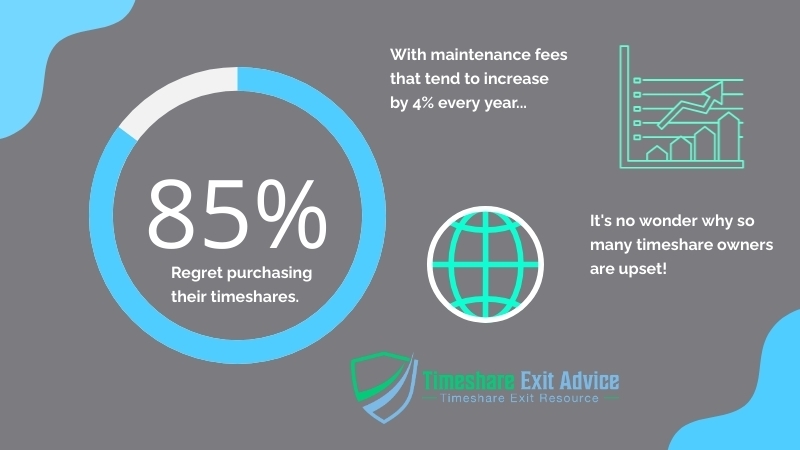
Inquire about additional expenses, such as financing charges, yearly costs and upkeep costs. Upkeep costs can go up yearly. Speak to individuals who have actually currently purchased from the business about services, schedule, maintenance and mutual rights to use other centers. Ask for an estoppel certificate, a letter from the timeshare resort that describes the status of the residential or commercial property in question. It can discuss any impressive upkeep charges or loans, along with any unique rules or conditions of usage for the property. Consult the Better Business Bureau for any complaints against the company, seller, developer or management business. Make sure the property abide by local and provincial or territorial laws for things like smoke alarm, fire exits and fire proofing.
Examine This Report on Who Has The Best Timeshare Program
Seek expect recommendations Get legal recommendations about rights and commitments, in both the place of the timeshare and in Canada, before you sign any agreement. Talk to a lawyer who is independent of the business selling the timeshare. Get recommendations from the regional genuine estate board prior to consenting to anything if you are purchasing a timeshare exterior of Canada. If you plan to purchase an undeveloped property, use an escrow account where an independent trusted third party pays as project vacation time shares milestones are met. Validate there are non-disturbance and non-performance stipulations to ensure you'll have the ability to utilize your unit if the developer or management company goes insolvent or defaults on their financing.
Budget plan accordingly Make a reasonable decision based on how much you will use the residential or commercial property. Compare the overall yearly cost of the timeshare with your normal holiday expenditures - how much does a blue green timeshare cost. Plan for transfer fees and legal fees at the time of the sale. Understand that interest rates are typically greater for timeshares. Examine the expense of property taxesthey are ranked on the kind of timeshare property you look for, its place and the resort. Recognize that upkeep charges can cost over $1,000 each year depending upon the location and resort. Don't decide to purchase based only on an investment possibility. The timeshare can decline gradually and be hard to resell, specifically in places with an oversupply of timeshare options.
Validate that there are terms, in the agreement, relating to the upkeep of the home. Ensure that cancellation rights and the cooling-off duration are described in the contract before you sign. This period enables you time to cancel the agreement if you alter your mind for any factor. Constantly read the fine print. Inspect that there are no blank spaces in the legal documents before you sign. Never ever sign an agreement before you have actually seen the residential or commercial property and are satisfied it exists and meets your requirements. A lot of timeshare offers are legitimate, however some vendors use high-pressure selling techniques. Watch out for sales pitches that offer big prizes such as free holidays, cash and new automobiles simply for attending a timeshare seminar.
Withstand hard-sell methods that provide a discount rate for buying in quickly. Constantly take details with you and consider it. Lots of factors will influence the resale worth of your timeshare, consisting of area, resort quality, flexibility of usage, season, demand and cost. Here are some pointers: Think about listing your timeshare a month or two prior to trip season to draw in purchasers. Rate your timeshare competitively. Make the effort to compare prices with other similar timeshare systems. You can attempt to offer your timeshare by yourself or enlist the assistance of a realty broker or resell business (timeshare technology to show what x amount of points get someone). If you use a broker or resale company, they will charge a commission or fees.
Who Has The Best Timeshare Program Fundamentals Explained
What's the difference in between fractional ownership and timeshare? Even skilled investors are sometimes confused about the differences in between these 2 types of genuine estate holdings. Over time, the lines have blurred; however for the sake of security and complete satisfaction, it is very what are the best timeshare companies important to know how they vary. You might find yourself with something that doesn't satisfy your personal or monetary requirements if you have misunderstandings or unrealistic expectations about either one. Fractional ownership is partial ownership or "co-ownership" in property and land. A group of investors each own a portion or share of the property. The fraction of ownership depends upon how many people buy into it.
If 6 people buy in, they each own 1/6th of the home, and so on. The greater the fraction of ownership, the more time you need to access the home for your use. The majority of fractional ownership terms limit the number of owners to keep it interesting each owner. With fractional ownership, you and the other co-owners own the building( s), the land and the contents of the buildings (furniture, appliances, and so on) Think of it as a regular home. If you own a house with another relative on the deed, everyone technically has a 50% stake in the ownership of the building, the land, and all the contents.